
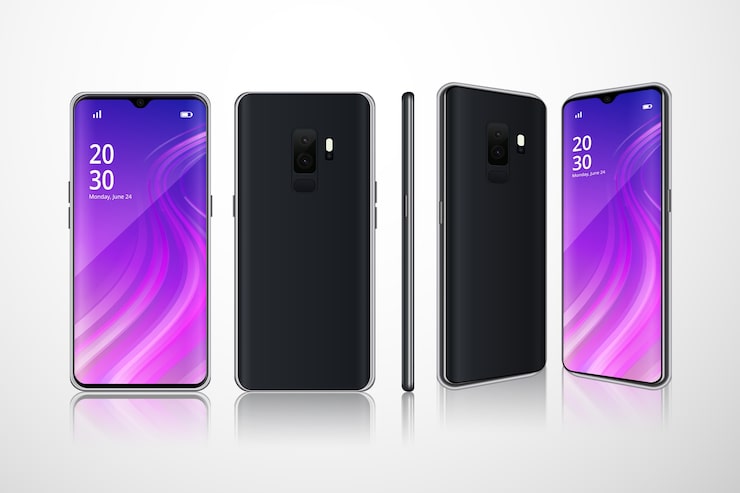
The Samsung Galaxy S8 was a genuinely important phone when it launched in 2017, introducing the near edge-to-edge ‘Infinity Display’ design that Samsung and much of the smartphone industry still use today. Years later, it remains a phone people search for, often as a cheap second device, a gift for a child, or simply out of curiosity about its current value.
What made the Galaxy S8 notable
At launch, the Galaxy S8 stood out for its curved, nearly borderless 5.8 inch Super AMOLED display, a sizeable jump in design from the phones that came before it. It also introduced Bixby, Samsung’s voice assistant, and came with a capable camera, IP68 water resistance and a headphone jack, a feature that has since disappeared from most flagship phones entirely.
How it holds up in 2026
Nearly a decade after release, the Galaxy S8’s hardware is significantly outdated compared with current smartphones. Its processor struggles with modern, resource-heavy apps, its camera cannot match today’s computational photography, and its battery has likely degraded substantially after years of charge cycles. Perhaps most importantly, the Galaxy S8 stopped receiving Android version updates and security patches years ago, which means it should not be used for online banking, storing sensitive personal information, or general daily browsing without significant caution.
Should you still buy one
For very light use, such as a basic calls-and-texts backup phone, a media player disconnected from sensitive accounts, or a way to sample Samsung’s design from that era out of nostalgia, a cheap second-hand Galaxy S8 can still make sense given how low its resale price has fallen. It is not a sensible choice as a primary smartphone in 2026, given the lack of security updates and its struggle to run current apps smoothly.
Where to find a Galaxy S8 today
Second-hand marketplaces and specialist used phone retailers remain the main sources for a Galaxy S8 in the UK. Because it is no longer sold new, prices are driven entirely by the second-hand market and tend to be low. Buyers should check the battery condition carefully, confirm the phone is not locked to a specific network or reported lost, and be realistic about the lack of ongoing software support before purchasing.
What replaced it
Samsung’s Galaxy S series has moved on considerably since the S8, with each generation improving cameras, performance, battery technology and display quality. Anyone wanting a genuinely modern Samsung experience should look at current Galaxy S or Galaxy A series models instead, many of which now offer several years of guaranteed software support, something the Galaxy S8 never had at this scale.
Practical safety advice if you do use one
If you decide to keep using a Galaxy S8 for very light tasks, take some sensible precautions. Avoid using it for online banking or storing sensitive passwords, keep any apps updated to their latest available version even though the operating system itself is outdated, and consider using it purely offline or on Wi-Fi for media rather than as a fully connected daily device. These steps reduce, though do not eliminate, the security risks that come with using an unsupported operating system.
It is also worth comparing the cost of a used Galaxy S8 against a cheap new budget phone before deciding, since prices for basic new Android handsets have fallen considerably, and a new phone with current security support may end up being a more sensible choice for only a modest difference in price.
It is also worth checking online whether any critical, unpatched security vulnerabilities have been publicly reported for the Galaxy S8’s final software version, since this information is often more useful than a general assumption about age alone when deciding exactly how comfortable you would be using the phone for anything beyond the most basic tasks.
Final verdict
The Samsung Galaxy S8 was a landmark phone in its time and helped shape the design language of modern smartphones. In 2026, however, it is best considered a nostalgic curiosity or a very basic backup device rather than a phone suitable for everyday, security-conscious use.